Birchanger Wood consists of 69 acres of ancient coppiced woodland – hornbeam, hazel, ash, birch, oak, sweet chestnut, cherry, holly, and a wide range of flora including English bluebells, wood anemones and golden saxifrages. The wood is maintained entirely by volunteers in accordance with a management plan drawn up by professional ecologists and the Forestry Commission for the benefit of local community and visitors and supported by donations from a wide range of organisations, private, public and by individuals.
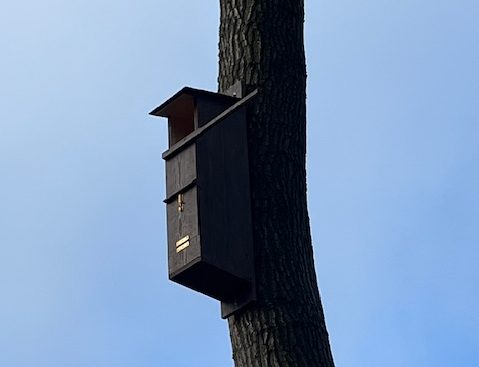
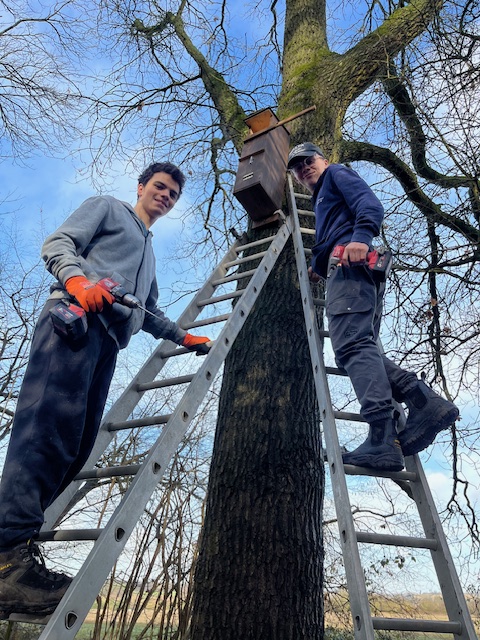
Four have been made and installed by volunteer and friend of the Birchanger Wood Trust, George Markwell, and they are specially designed to appeal to tawny owls.
We know that there are tawny owls in the area – if you live near to the wood you may even have heard their calls at dusk and at night. They make the classic ‘twit twoo’ call.
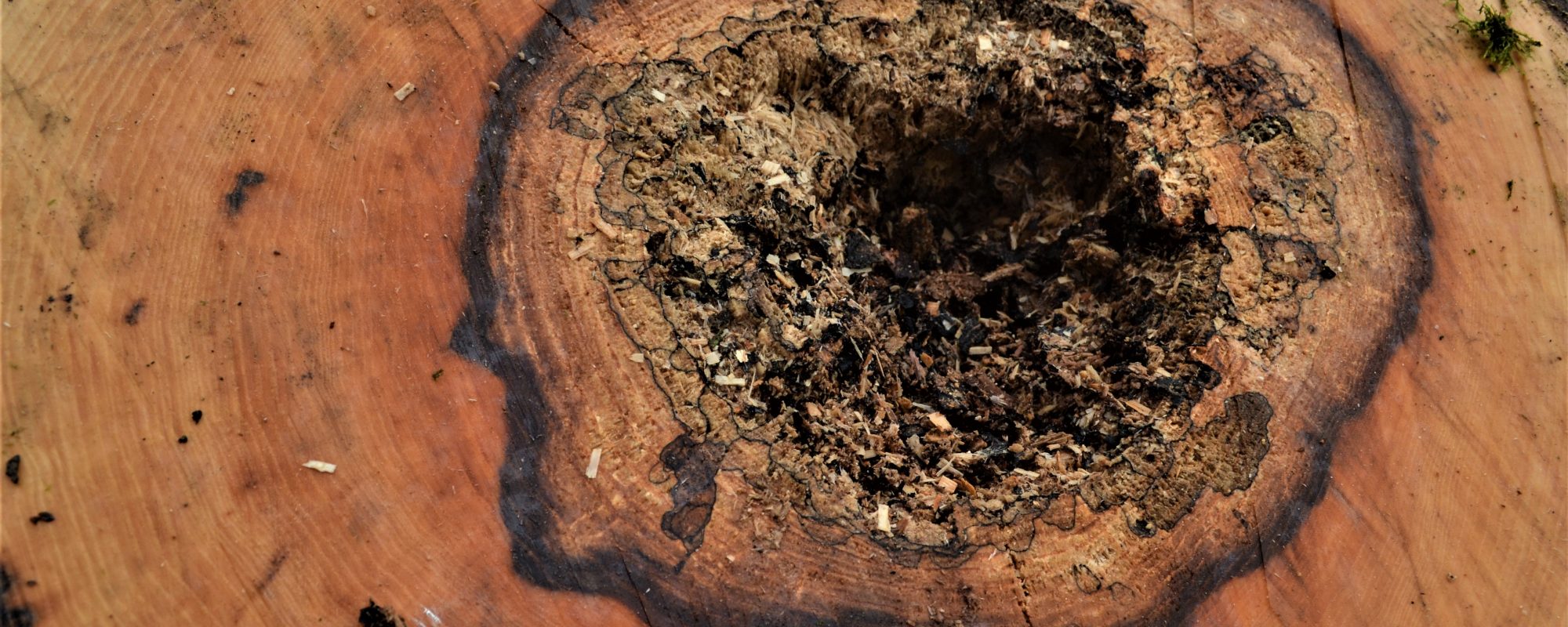
This box aims to mimic the kind of tree cavity that tawny owls like to nest in.
Tawny owls typically nest quite early in the year, but we may be lucky this season – and if not they will scout for territories and new nesting spaces in autumn, so fingers crossed!
Our thanks to George for these fantastic additions to the wood.
The bee boxes are already doing a fantastic job to support honeybees in our area, which are facing the dual threats of climate change and habitat loss. The boxes are important because they provide a home to native honeybee colonies when they swarm, which they do when their colony outgrows its home. The more we can do to support them, the better, because a healthy bee population supports biodiversity – and crop production, they do a vital job pollinating plants.
New footage of our bee boxes in action!
May is a busy time of year for bees, and thanks to our bee expert Philip and our volunteer Steve, we have some new footage of them in action this week!
Steve took this great video of the bees using one of the boxes earlier this week – there is also lots of bird song to be heard, including chiffchaff, robin and wren, so have the sound on if you can!
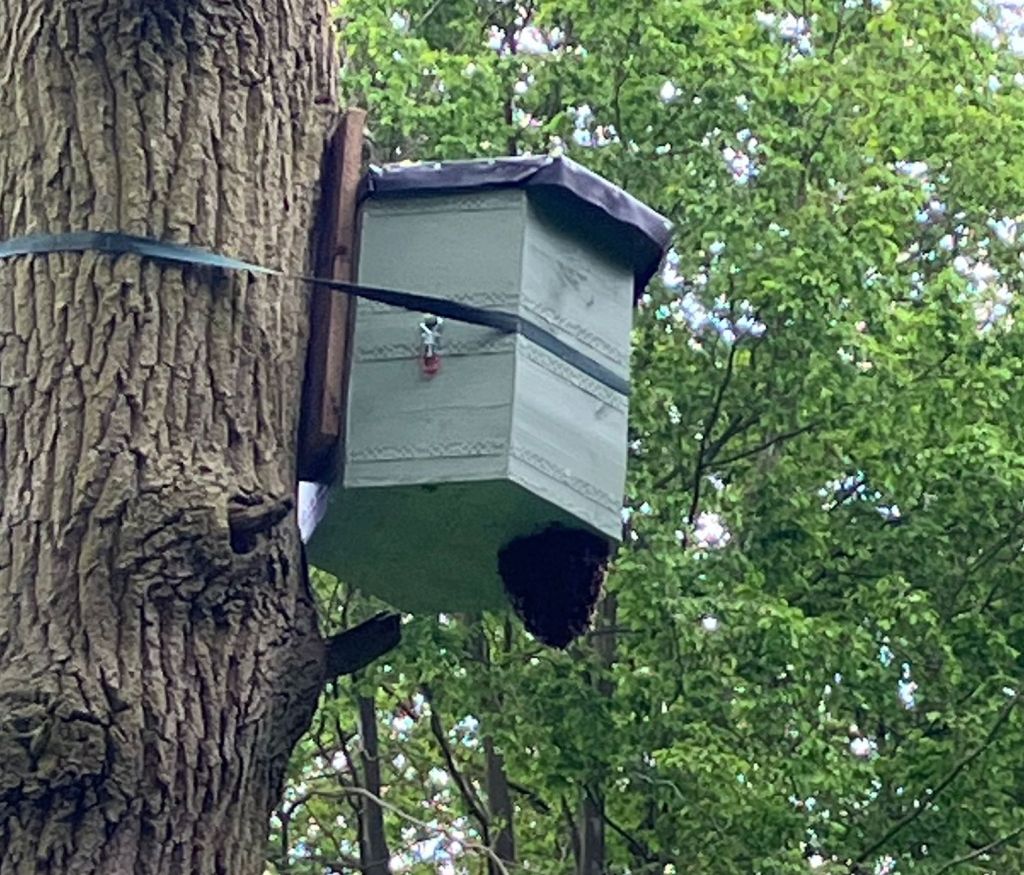
And earlier this week, Phillip spotted a ‘swarm’ beneath one of the boxes – can you see them here?
Making sure the boxes are ‘just right’
Much like ourselves, bees are quite fussy when it comes to finding a new home. Seeing them this busy is great news! Philip helps to make the boxes as appealing as possible to the bees by building the boxes an ideal size, making the entrance holes small, and positioning them well above the ground facing in the optimum direction.
He also makes the boxes ‘smell’ just right (to the bees at least!) by putting some old ‘brood comb’ in the hive, painting beeswax onto the frames, rubbing propolis – a resin-like material made by bees – all over the interior, and adding a pouch of slow-release lemon grass oil, which mimics their nasanov gland secretion.
This careful planning helps to ensure the bees move into our boxes and are less likely to swarm where they are not so welcome.
Our thanks again to Philip for all his hard work in building and installing the boxes.
We hope you enjoy spotting the bees in the wood when you next visit!

 Birchanger Wood